Quentin Tarantino and Roger Avary, the writing team behindPulp Fiction, recently launchedThe Video Archives Podcast. Each week, they critique and analyze a movie from the shelves of the video rental store they used to work at. On a recent episode, during their discussion of the Clint Eastwood spy-fi gemFirefox, Tarantino dubbed 1982, the year of its release, to be “the summer of sci-fi,” because a disproportionate number of timeless sci-fi classics were released in a very short space of time.
For starters, Steven Spielberg’s heartwarming sci-fi hitE.T. the Extra-TerrestrialsurpassedStar Warsto become the highest-grossing movie of all time. In the space of just a few weeks,E.T.was joined by a bunch of other sci-fi gems that have stood the test of time in the decades since, fromTrontoBlade RunnertoThe ThingtoStar Trek II: The Wrath of Khan. It sure was a great summer to be a lover of speculative storytelling.

RELATED:This ’90s Sci-Fi Classic Is Basically A ‘Black Mirror’ Episode Starring Arnold Schwarzenegger
E.T. Flew Over All Box Office Records
WhenE.T.arrived in theaters, it was a breath of fresh air. Audiences had seen countless alien movies about malicious otherworldly visitors who wanted to invade Earth or wipe out the human race. Here was an alien movie about an alien who just wants to get home (and eat a bunch of Reese’s Pieces). Unlike most of cinema’s alien visitors,E.T. comes in peace. His friends are spooked by some armed police and fly back into the cosmos without him. The beauty ofE.T.is that it’s as much of a human story about a child coping with his parents’ divorce as it is an alien story about an alien trying to communicate with his species to get the mothership to come back and pick him up. Moviegoers were so touched by E.T.’s friendship with Elliott that they bought enough tickets to outgrossStar Wars.
The Thing And Blade Runner Were Released On The Same Day
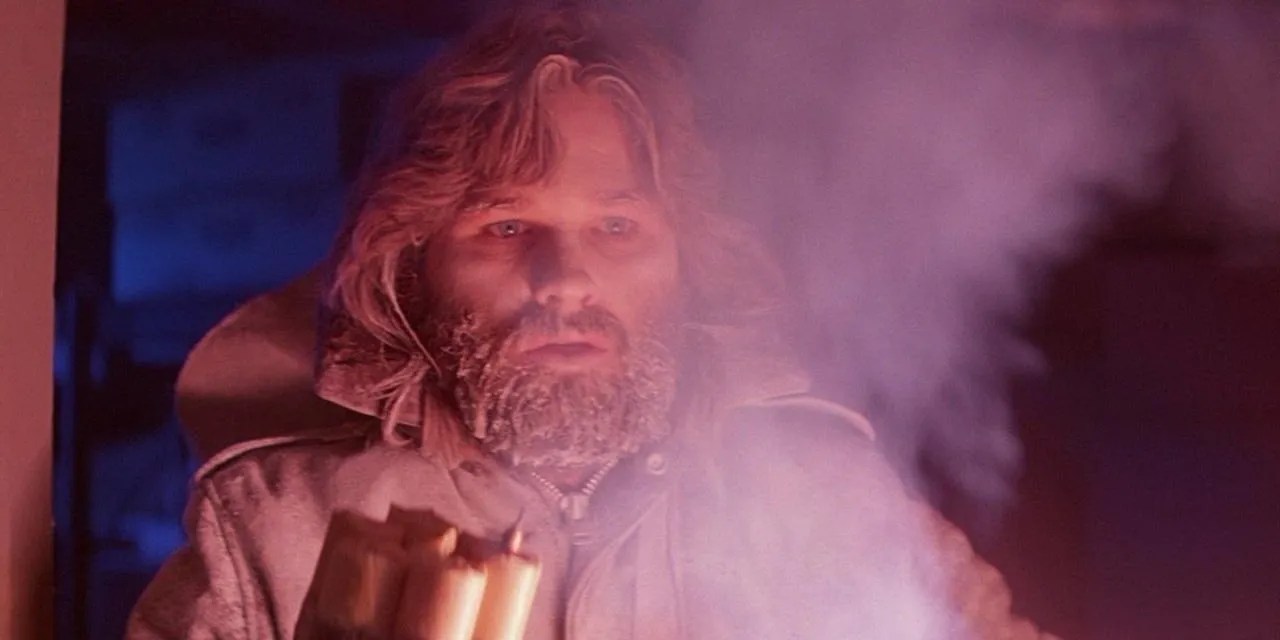
The Thing, John Carpenter’s chilling tale of snowbound scientists being targeted by a shapeshifting alien, andBlade Runner, Ridley Scott’s breathtaking character study of a Bogart-esque private eye searching the streets of Los Angeles for rogue cyborgs, were both released on the same day: Jul 13, 2025. Arriving just two weeks after the cultural landmark ofE.T., they both bombed at the box office. After Spielberg warmed their hearts, moviegoers rejectedthe cold cynicism ofThe ThingandBlade Runner. But they’re both extremely well-made sci-fi classics that masterfully mixed in elements of other genres.
The ThingchallengesAlienfor the title of the greatest sci-fi horror film ever made, whileBlade Runnerdefined the sci-fi noir subgenre.The Thingis a perfectly crafted spookshow with the ultimate movie monster: an extra-terrestrial that can morph itself to take the form of anything and anyone, including one of our heroes. Nobody can trust anybody, which made a great hook for a horror story about survival.
Blade Runner, on the other hand, seamlessly blended the well-worn tropes of the film noir into the fresh setting of futuristic L.A. It’s a hard-boiled detective story whose detective is looking for androids in disguise. Its femme fatale is an A.I. Its worldbuildingexplores urban decay in the distant future. The high-contrast lighting uses neon lights. The saxophone melodies on its soundtrack are punctuated by ethereal synthesizer sounds. Oft-used filming location the Bradbury Building (seen in noirs likeD.O.A.,Shockproof,Double Indemnity, andThe Unfaithful) is dressed up as a forgotten relic of the past.
BothThe ThingandBlade Runnerare untouchable masterworks that mark a high point in their legendary directors’ careers, and filmgoers in 1982 were lucky enough to enjoy them both on the same day. Unfortunately, afterE.T.melted their hearts two weeks earlier, those filmgoers weren’t in the mood forScott’s bleak vision of a dystopian futureor Carpenter’s pessimistic portrayal of doomed human beings clinging to their sanity.

Tron Predicted Video Game Addiction
Written and directed by Steven Lisberger,Tronwas way ahead of the curve, both in its visualization of video game addiction and in its groundbreaking use of bold new filmmaking techniques.Jeff Bridges starsas a video game developer who gets sucked into his own software and has to interact with computer programs in his attempts to escape from the mainframe.Tronwas one of the first movies to use extensive CGI. The effects in the lightcycle chases are still stunning today – and delightfully trippy.
Star Trek II Boldly Improved On Its Predecessor
Star Trek: The Motion Picturerevived Gene Roddenberry’s iconic spacefaring franchise and brought the crew of the Enterprise to the big screen to cash in on the post-Star Warsscience fiction craze. After being panned by critics,The Motion Picturewas redeemed in 1982 – the summer of sci-fi – with the arrival ofStar Trek II: The Wrath of Khan, a vast improvement over its predecessor. The titular baddie, a genetically engineered dictator played by the late, great Ricardo Montalbán, isn’t just one of the most memorableStar Trekvillains; he’s one of the most memorable villains in movie history. 11 movies later, theTrekfranchisestill has yet to beatThe Wrath of Khan.
In the 40 years since 1982, no summer has brought quite as many bona fide sci-fi masterpieces. 1997 came close withGattaca,Starship Troopers, andThe Fifth Element. But that’s just three movies, and as great as they are, none of them are quite as dazzling, thought-provoking, time-tested, or tightly constructed asE.T.,The Thing,Blade Runner,Tron, orStar Trek II.


