Summary
Every few years, a very special game will come out, and it’s either universally or nearly universally loved by gamers of all kinds. These are games that tend to either be a never-before-seen IP with fresh ideas, or innovative revitalizations of existing IP. Good examples of both are games likeThe Last of UsandWolfenstein: The New Order. Both games, however, received sequels that were not quite as universally praised by fans.
In fact, many critically acclaimed games have seen the release of controversial sequels for one reason or another. Perhaps the story went in an unexpected direction, the developers changing the gameplay too drastically, etc. Whatever the case may be, here is a list of some of the most controversial sequels to otherwise beloved games in recent memory.

While many have praisedMass Effect 3for its gameplay improvements over its predecessor, the game was and has remained controversial for one glaring reason; its ending. Many longtime fans of the series felt as though the ending was not nearly as satisfying as it should’ve been for a concluding chapter in a trilogy, and took too much choice away from the player.
Ultimately, the outcry became so widespread that Bioware would release DLC in an attempt to “fix” the ending, though it could only do so much. Some fans have attempted to explain all of this away via theIndoctrination Theory.
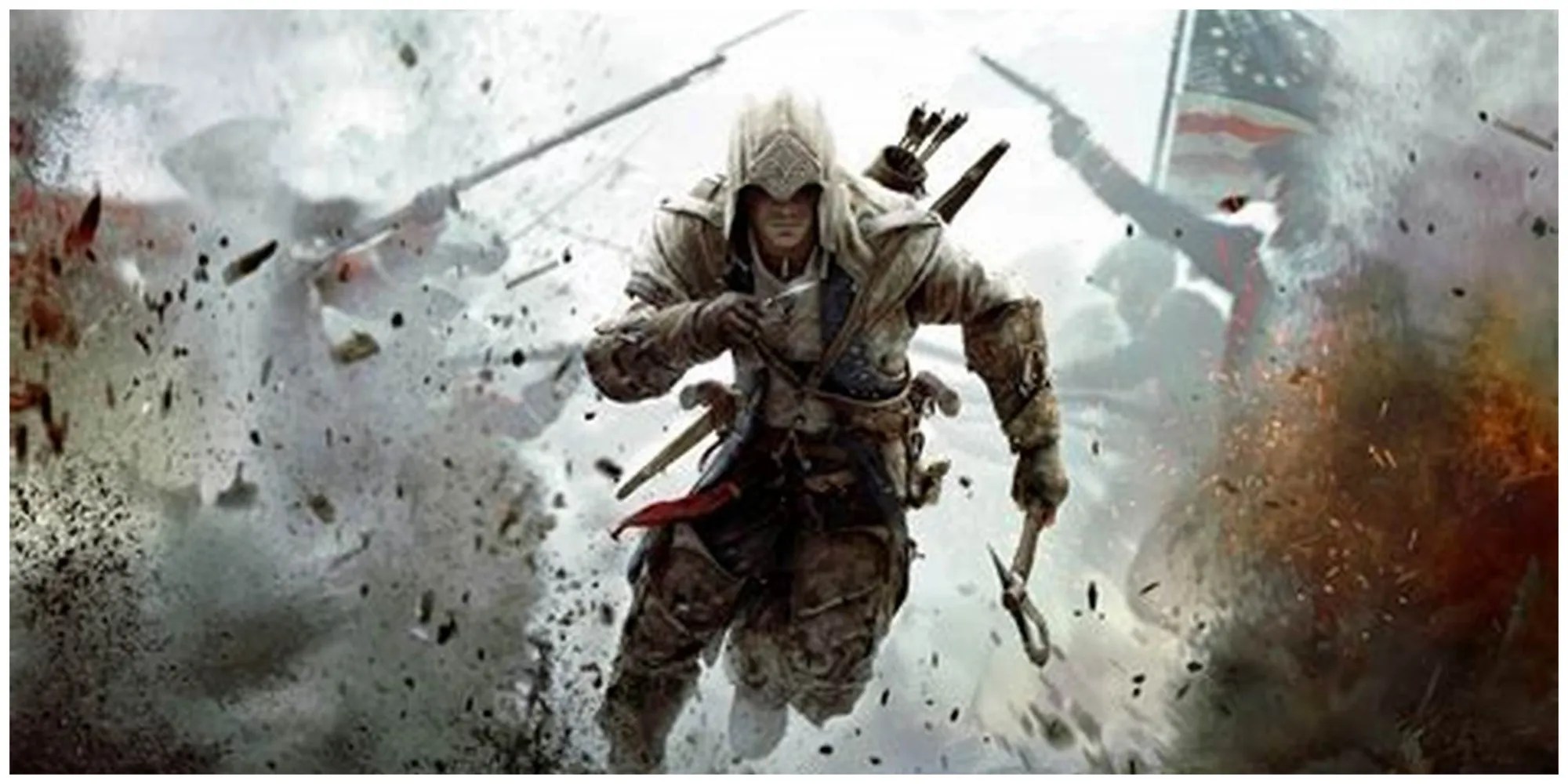
The Ezio trilogyofAssassin’s Creedis widely praised to this day, with many considering the character himself to be one of the best from that era of gaming. It’s a shame then, thatAssassin’s Creed 3could not meaningfully advance the series for many longtime fans. If anything, the game chooses to simplify many of the series' staple mechanics while delivering a rather clunky and unsatisfying story that wastes its admittedly ambitious setting’s potential.
The present-day storyline is also almost universally maligned by fans due to its choice to unceremoniously kill off its main character for no other reason than to deny the series from having a dignified ending.

As far as anyone knew,Halo 3would be the last timeMaster Chiefwould ever be seen again in a video game. NeitherHalo: ODSTnorHalo Reachwould feature him as a character, and with Bungie stepping away from the franchise, not everyone knew what was in store for the franchise. The series was over, and it was generally seen as having gone out with a bang withHalo: Reach. Then, two years later,Halo 4happened, which would resurrect Master Chief and continue the story afterHalo 3.
Developed by 343 Industries, the sequel would change virtually everything about the series, from its storytelling, art style, and music to its core gameplay philosophy, which would lift much from theCall of Dutyfranchise. LongtimeHalofans would often proclaim that they’d been alienated for the sake of a newer audience as a result.Halo 4sold well initially but proved to be problematic in the long term, and is widely regarded as having taken the steam out of what was, at the time, a major industry juggernaut.

The issuesFallout 76faced at launch are well documented at this point. The game was virtually nonfunctional to a comical degree, or at least it would’ve been comical if Bethesda hadn’t been so dishonest about the game’s status before launch. More than this, however, the idea of amultiplayerFallouttitlewasn’t something people were very excited about, to begin with, even less so when the game came out and ended up not being very fun.
This, however, is only half the story. Since then, the game has received numerous updates and patches that have both fixed issues and added new content. In some cases, the game brought back classicFalloutfeatures thatFallout 4had controversially done away with beforehand.Fallout 76was thus able to garner a certain fanbase despite its early issues that others won’t be forgetting any time soon.

Wolfensteinmade a rather impressive comeback withThe New Order, so it was understandable that a sequel would soon follow and build on what it’d begun.The New Colossus, however, proved to be much less of a universal hit and more of an acquired taste at best.
The game attempts to follow the narrative of its predecessor but suffers from serious tonal whiplash in the process. Many also found the combat and level design to be clunky, bloated, and at times unfairly balanced. While it’s not bad, it’s certainly a disappointing game for some coming offThe New Order.

Anyone who was around for the days ofModern Warfare 2can attest to the amount of hype that surrounded the franchise by that point.COD 4was a smash hit, butMW2brought the series to preeminence with its novel and ambitious gameplay, as well as its memorable campaign, which remains a franchise highlight.
MW3doesn’t really have any of this, and compared to its predecessors, the story wasn’t cooked properly, especially when it sought emotional highs through the deaths of fan-favorite characters, and the multiplayer aspect lacked the addictive nature ofMW2.

Resident Evil 5is somewhat of a weird direction to follow after the enormously successful and belovedResident Evil 4. A game thatcreated the blueprint for third-person horrorwas followed up with a third-person shooter action co-op game.RE5is still the highest-selling game in the franchise, and yet it is almost never taken into consideration when discussing the bestREgames.
Sure, its focus on co-op was innovative and even praised at the time. However, its lack of any real survival horror and absurd storytelling holds it back in the eyes of quite a few fans.RE5’sAfrican setting also sparked conversations over racial insensitivity, particularly surrounding the imagery of the White Chris Redfield surrounded entirely by Black enemies.

It’s hard to think of a game that has divided people more thanThe Last of Us Part 2. Many people found its gameplay to be a marked improvement over the first game, while others simply couldn’t get past the story Naughty Dog wanted to tell.
The game’s commitment to brutality and consequences was both praised and criticized, as were many of the principal characters, most notably Abby. Its central messaging regarding revenge and redemption became the subject of endless internet debates between fans of the franchise, which may see a resurgence once the game is eventually adapted bythe HBO series.
