Summary
WhileThe Twilight Zonehas spawnednumerous imitators and revivalssince its debut in the late 1950s, it is the original iteration of the anthology series that is best remembered today. This is due in part to the show’s gripping scripts and talented performers, but the role of Rod Serling,The Twilight Zone’s host and originator, cannot be underestimated.
Interestingly, Serling had never intended to host the series. However, when the actor that he’d tapped for the part proved unavailable, he stepped in to record each episode’s famous opening and closing monologues himself. These bookends are nearly as iconic as the stories that they accompany, and the best of Serling’s speeches elevate episodes from enjoyable narratives to television classics.

6"It Is Man’s Prerogative—And Woman’s—To Create Their Own Particular And Private Hell."
“Night Call” (Season 5, Episode 19)
“Night Call” is one ofThe Twilight Zone’s saddest episodes, due in part to its memorable ending. The elderly Elva Keene demands that a mysterious caller stop contacting her, only to learn that it is the ghost of her dead lover. Elva must now live with the consequences of ruining the most important relationship in her life and the loneliness that now awaits her.
It’s something of a mean-spirited conclusion, as Elva’s dismissal occurs before she learns the truth about the caller, but Rod Serling uses the episode to make a broader point about unintended consequences and the human capacity for self-sabotage. Elva’s lonely fate may be unfair, but it is a lesson that she will not soon forget.

5"Portrait Of A Young Lady In Love—With Herself."
“Number 12 Looks Just Like You” (Season 5, Episode 17)
Serling’s closing speech in the dystopian “Number 12 Looks Just Like You” is particularly relevant in an age where accusations of narcissism flood social media on a regular basis. It also predicts the recent boom in plastic surgery and beauty treatments seen in the real world, showingThe Twilight Zone’suncanny ability to predict the futurewith its storytelling.
While surgical modifications in the real world have not yet reached the point where people are given entirely new bodies when they reach a certain age, as in the episode, Serling’s closing monologue sums up both the advantages and disadvantages of a world where everyone can be beautiful— even if at the cost of their own unique identity.
4"Tonight, A Presentation So Special And Unique…"
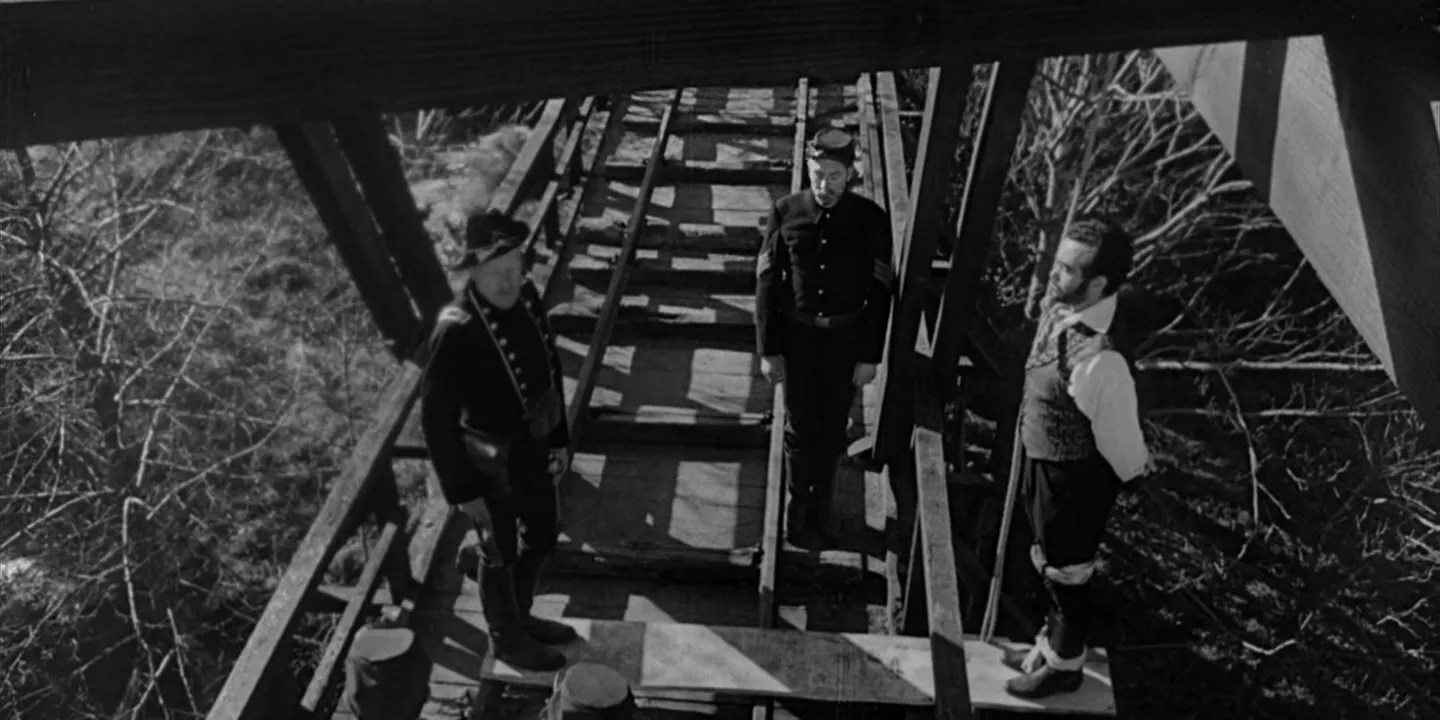
“An Occurrence at Owl Creek Bridge” (Season 5, Episode 22)
Serling’s opening speeches often offer viewersa glimpse of the weirdnessofThe Twilight Zone, but his words at the start of “An Occurrence at Owl Creek Bridge” are notable in that they instead provide a peek behind the curtain of the show’s production. Rather than financing an original episode, the use of an existing short film allowed the production team to save tens of thousands of dollars.
As Serling later points out, the short film contains “all the ingredients” of his show, making it an appropriate if unorthodox installment of the classic series.

3"They Are A Monument To A Moment In Time When Some Men Decided To Turn The Earth Into A Graveyard."
“Deaths-Head Revisited” revisits the then-recent trauma of the Second World War and the Holocaust by placing an SS officer (Oscar Beregi, Jr.) on trial for his wartime crimes. The officer, Lutze, is literally haunted by the ghosts of his victims, culminating in a well-deserved punishment.
Serling’s concluding monologue stresses the importance of remembering crimes against humanity so that history cannot repeat itself.The Twilight Zoneis frequently didactic, but the closing speech ofthis classic episodedemonstrates the need to take the lessons learned in the series and apply them in the real world—otherwise, Serling argues, we risk re-creating the nightmarish world of the series in reality.

2"There Are Weapons That Are Simply Thoughts, Attitudes, Prejudices… To Be Found Only In The Minds Of Men."
“The Monsters Are Due on Maple Street” (Season 1, Episode 22)
The Twilight Zonewas produced in the context of the Cold War, and many episodes tackle themes of nuclear war and apocalyptic devastation. “The Monsters Are Due on Maple Street”, however, takes a more subtle approach by tapping into fears about Communist infiltrators in the United States. The episode demonstrates the destructive potential of paranoia, a point reiterated in Serling’s closing monologue.
Serling’s final words are as much a warning to viewers as they are a comment on the preceding narrative, and they continue to be relevant today. As such, its unsurprising thatthe episode was remade decades later, albeit with a focus on terrorism rather than Communism.

1"You’re Traveling Through Another Dimension…"
The Twilight Zone(Season 2)
The opening sequence ofThe Twilight Zoneunderwent several changesduring the show’s five-season run, with the imagery and the precise wording of Rod Serling’s introduction differing between each batch of episodes. However, regardless of the exact phrasing, Serling’s introduction guides viewers into the titularTwilight Zone, giving them some idea of the strange tales that await them.
The result is one of television’s most iconic opening sequences.The Twilight Zonemay be well-known for Serling’s episode-specific monologues, but the part he played in the show’s iconic opening cannot be underestimated. His narration sets the tone for what is to follow, intriguing viewers even today.

